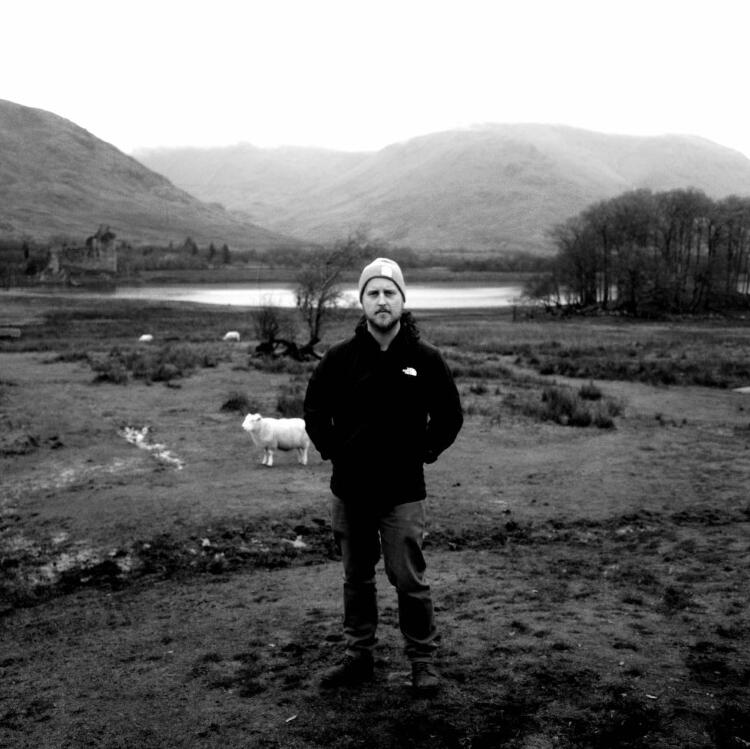
Dan Medley
Builder. Problem Solver. Systems Thinker.I help people understand how ideas, buildings, and operations actually work in the real world.Founder of Team Handy Dan · NYC Construction & Maintenance
For the past decade I’ve built and run Team Handy Dan, a construction company operating primarily in New York City with additional work in Richmond, VA & Nashville, TN, working inside apartments, offices, and public-facing spaces where mistakes are visible and timelines matter.Over time I saw the same pattern repeatedly: plans look good on paper, but fall apart once real constraints appear.Unclear decisions. Conflicting priorities. Assumptions that don’t survive contact with reality.I help teams think through those issues early so projects move forward with clarity instead of confusion.
WHAT I HELP WITH
• Evaluating physical spaces and plans before work begins
• Identifying risks and weak assumptions in proposed projects
• Translating between creative teams, managers, and trades
• Creating practical execution plans and punch lists
• Helping teams make decisions that hold up in real use
WHAT USUALLY GOES WRONG
Most projects don’t fail because of bad ideas.They fail because follow-through breaks down.Plans get overcomplicated. Decisions stall. Assumptions go untested until construction has already begun.My role is to slow things down just enough to see what will actually work.
SELECTED EXPERIENCE
My work comes from operating inside complex residential, commercial, and institutional environments where projects must function in the real world, not just on paper.Projects and environments connected to organizations such as:· LEGO · FAO Schwarz · T-Mobile · Roc Nation · Rudin Management · Central Park Tower · Corcoran · MrBeast ·These environments require judgment, discretion, and the ability to coordinate multiple trades under real-world constraints.
WHERE THIS WORK FITS
This kind of support is most useful for:• Creative and media organizations building physical experiences
• Production teams designing installations or sets
• Property owners and managers responsible for complex spaces
• Design and architecture teams navigating real-world constraints
• Institutions with aging or unconventional buildingsEspecially when timelines are tight and decisions need to hold up under pressure.
WHAT THIS LOOKS LIKE
Production Installation Review
A production team preparing a physical installation asked for a second set of eyes before construction began. Walking the space and reviewing the plans revealed structural and access issues that would have slowed the build. Adjustments made early allowed the installation to move forward cleanly once fabrication began.Recurring Building Problem Diagnosis
A property manager dealing with repeated building issues brought me in before committing to major repairs. By inspecting the space and observing how systems were actually being used, we identified the underlying cause and avoided a series of unnecessary fixes.Creative Concept Reality Check
Creative teams often develop ideas that work visually but struggle once real-world constraints appear. In these situations I help evaluate how the concept will function physically, identifying weak points and suggesting adjustments before time and money are invested in construction.
ADDITIONAL WORK
Some founders and small teams come to me not because of a single physical project, but because their business itself has become hard to think about.In those cases, I offer a focused systems and operations engagement called Second Business Brain, designed to help founders turn ideas, instincts, and chaos into clear, usable structure.→ Learn more about Second Business Brain
WAYS WE MIGHT WORK TOGETHER
Most teams reach out when a project feels uncertain and they want clarity before moving forward.Common engagements include:Project Planning Review
A focused review of plans, spaces, and assumptions before construction or installation begins.On-Site Problem Solving
Walking a space together to diagnose issues, identify risks, and determine practical next steps.Production & Installation Advisory
Helping creative and production teams translate ideas into environments that can actually be built, maintained, and operated.Operational Clarity for Founders
Through Second Business Brain, I help founders turn scattered ideas and operational complexity into clear decisions and usable structure.
CONTACT
If you have a real problem and need a clear-headed second set of eyes, reach me at [email protected]
BACKGROUND
For more than a decade I’ve built and operated Team Handy Dan, a construction and maintenance company working in complex residential and commercial environments across New York City.My work frequently places me at the intersection of creative vision, operational constraints, and physical execution. I’m often asked to step into situations where plans are unclear, timelines are tight, or projects have begun drifting off course.My role is to help teams see what will actually work before small issues become expensive problems.
A systems and operations partner for founders who love what they do but hate the chaos. The goal is to help businesses run with fewer decisions, clearer ownership, and less reliance on one person holding everything together.
Who This Is For
Second Business Brain is designed for:- Solo founders and small teams
- Creative or service-based businesses
- Owners with ideas, momentum, and revenue but no structure
- Companies with multiple people involved but no clear rules, ownership, or delegation
- Founders who feel like everything lives in their head
Common Problems
Most clients come in dealing with some version of the following:- Nothing is written down
- No SOPs or repeatable processes
- Constant interruptions and decision fatigue
- No clean handoff of work
- Business and personal life completely blended
- Growth feels harder instead of easier
Why This Works
Structure is not about control. It’s about freedom.- Every problem can be broken into simple, actionable steps
- Systems turn chaos into clarity
- Clear expectations make delegation possible
- Written processes reduce daily decision-making
- Structure allows the business to function without everything depending on one personI specialize in turning ideas, instincts, and tribal knowledge into practical systems that real people can actually follow.
Ways to Work Together
One-Off Systems Build (Project Based)Best for founders who want real structure, not ongoing meetings.
This engagement focuses on identifying broken or missing systems and building a clear first version that can be used, delegated, and repeated.Typical work includes:- Mapping workflows and responsibilities
- Creating simple SOPs and documentation
- Clarifying ownership and handoffs
- Identifying gaps and failure points
- Designing practical systems that fit how the business actually operatesWork happens in defined blocks over a set project window. Communication is asynchronous during the engagement, with thoughtful responses provided during scheduled work time.This engagement has a clear beginning and a clear end.----Ongoing Second Business Brain (Monthly Advisory)Best for founders who want a thinking partner without adding another hire.
This is a lighter, ongoing engagement focused on clarity, problem-solving, and system refinement as the business evolves.Includes:
- Asynchronous questions and context sharing
- One purposeful working session or call per month, as needed
- Review of ideas, systems, and decisions
- Help breaking complex problems into actionable stepsResponses are not real-time. Messages are reviewed and replied to during work blocks, typically within a couple of business days.The goal is steady improvement and reduced mental load, not dependency.
Communication & Availability
Communication is primarily asynchronous.Clients can leave questions, context, or materials in a shared space, and I respond during scheduled work blocks. This allows for more thoughtful, useful responses without constant interruptions.Real-time calls are used selectively when they serve a clear purpose. Standing weekly calls are avoided unless there’s a specific reason they add value.
Scope & Responsibility
My role is to design structure and help implement systems.I don’t manage day-to-day operations, motivate teams, or own outcomes if agreed-upon systems aren’t followed.The goal of this work is clarity and independence, not ongoing reliance.
How I Work
I work in focused blocks, not ongoing meetings.Most engagements start with a clear problem, followed by structured time to design and build a solution. That usually includes mapping workflows, defining responsibilities, and creating simple systems that can be reused and delegated.The goal is always clarity and independence, not ongoing dependence.
What I Don’t Do
To keep the work effective and focused, there are a few things I intentionally don’t take on:- Standing weekly calls without a clear purpose
- Day-to-day management or motivation
- Acting as an on-call problem solver
- Owning outcomes if agreed-upon systems aren’t followedThis approach keeps the work practical, efficient, and aligned with long-term results.